If you are looking for a durable way to improve a concrete floor, you may be comparing epoxy floor coatings with regular concrete floor paint. Both can alter the look of a floor, but have a lot of differences when it comes to durability, adhesion, protection, and longevity. Epoxy floors are typically more durable than normal floor paint for garages, workshops, commercial spaces, and other areas that require high use.
What Is the Difference Between Epoxy Floor Coatings and Paint?
The primary difference between epoxy floor coatings and floor painting is that floor painting is basically a thin decorative layer over the concrete, whereas epoxy floor coatings are chemically bonded which produce a durable surface.
Epoxy is made up of resin and a hardener that chemically reacts to create a tough coating. On the other hand, the bond and resistance made with paint are generally not as strong, and generally dry through evaporation.
| Feature | Epoxy Floor Coatings | Concrete Floor Paint |
| Durability | High | Moderate to low |
| Adhesion | Strong chemical bond | Primarily surface adhesion |
| Chemical resistance | Excellent | Limited |
| Abrasion resistance | High | Lower |
| Heavy traffic | Suitable | May wear quickly |
| Appearance | Professional and customizable | Basic decorative finish |
| Maintenance | Easy | May require frequent touch-ups |
| Lifespan | Generally longer | Generally shorter |
| Cost | Higher initial investment | Lower upfront cost |
How Do Epoxy Floor Coatings Work?
Epoxy floor coatings adhere to the surface of well-prepared concrete and harden to form a protective layer. An epoxy system typically contains two main components: resin and hardener. Together they make a chemical reaction that produces a strong coating. The concrete must be prepared for application. This may involve cleaning, repairs to cracks, removal of contaminants and surface preparation, depending on the condition of the slab. One of the most critical steps in a successful epoxy floor coating installation is this preparation step; the epoxy coating requires a clean and profiled surface to be effective.
Is Epoxy Flooring More Durable Than Paint?
Yes, epoxy floors are typically a lot more durable than a typical concrete floor paint. Vehicle movement, dropped tools, abrasion, oil spills and other types of wear can occur on garage floors, workshops, warehouses and other commercial areas. At this time, standard paint could start to fade, scratch, chip or peel. A professional epoxy coating is intended to last much longer when it is used in much harsher environments. As a result, garage epoxy flooring is a popular flooring choice for homeowners who are looking for something more than just a simple cosmetic upgrade.
Does Epoxy Flooring Protect Concrete?
Yes. A benefit of the epoxy and other concrete coatings is that they act as a protective coating over the concrete surface. Moisture, oil, chemicals and other contaminants can be absorbed by the uncoated concrete. It may also produce dust in response to the wear of the surface. An epoxy coated surface can help to seal the surface and make it easier to clean while offering protection from many normal garage and business contaminants.The amount of protection, however, varies based on the epoxy system selected, installation, concrete condition and intended use.
Is Epoxy Flooring Better for Garages?
Epoxy floorings are a long-term advantage to regular floor paint in a lot of garages.
There are some factors that can happen in a garage floor:
- Vehicle traffic
- Hot tires
- Oil and automotive fluids
- Dirt and road debris
- Dropped tools
- Abrasion
- Frequent cleaning
Epoxy flooring is an excellent choice for garage flooring because it is relatively easy to maintain, long-lasting, and aesthetically pleasing. Decorative flakes, different colors, and gloss levels can also be incorporated into some epoxy flooring systems.
Is Epoxy Flooring Suitable for Commercial Spaces?
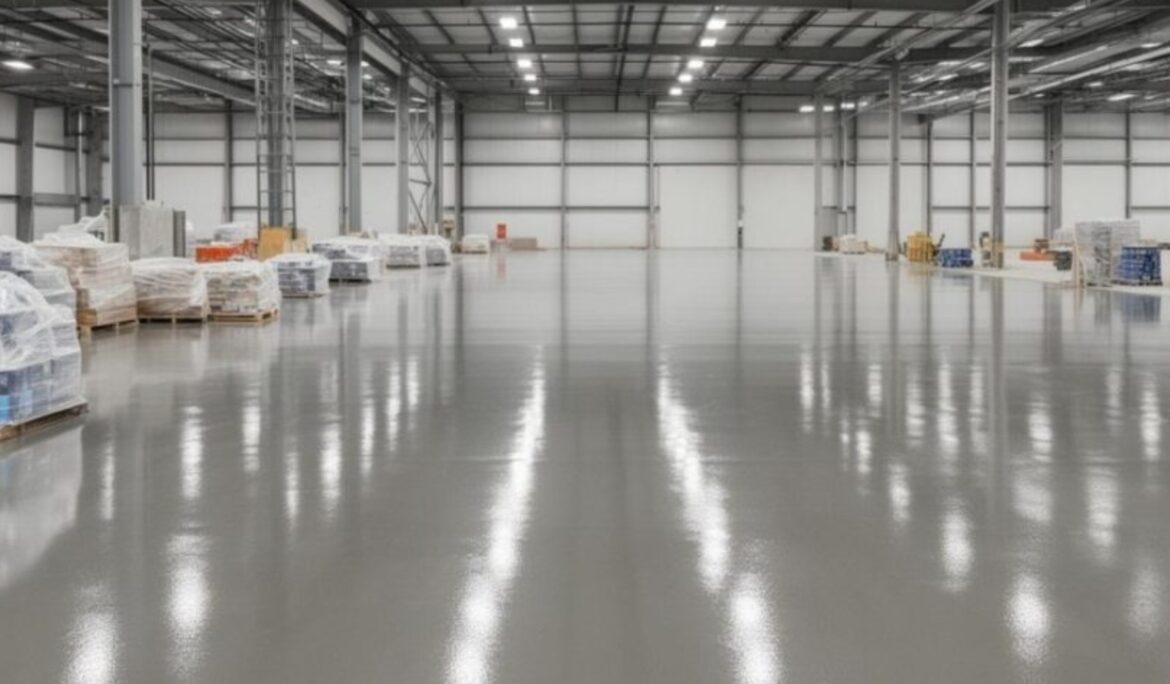
Yes. In many applications that require extra durability and maintenance ease for concrete flooring, commercial epoxy flooring can be used.
Potential applications include:
- Warehouses
- Workshops
- Automotive facilities
- Retail spaces
- Service areas
- Manufacturing facilities
- Garages
- Storage areas
The type of coating system required is dependent on traffic volumes, chemical exposure, moisture conditions, and the facility’s needs.
What Are the Benefits of Epoxy Floor Coatings?
There are a number of benefits of epoxy floor coatings in comparison to traditional floor paint.
1. Greater Durability
Epoxy forms a hard surface that can resist normal use and frequent traffic.
2. Better Chemical Resistance
Epoxy systems are resistant to many common chemicals, oils and automotive fluids; useful for automotive garages and industrial applications.
3. Easier Maintenance
A properly installed epoxy surface is smooth, and will not stain as easily as a porous, unfinished concrete surface.
4. Improved Appearance
An ordinary concrete slab can be made into a cleaner and a finished looking surface by applying epoxy.
5. Customizable Designs
Depending on the system, homeowners and businesses will have options available to them for colors, decorative flakes, texture, and system finishes.
6. Concrete Protection
An epoxy will create a protective layer that can lessen the amount of exposure the concrete will receive from everyday wear and tear.
What Are the Limitations of Floor Paint?
Sometimes it is still beneficial to have a floor painted where a low cost cosmetic treatment is the desired outcome. It does not typically perform the same as a professionally installs epoxy system though.
Paint might be more likely to be affected by:
- Scratching
- Peeling
- Chipping
- Tire wear
- Chemical damage
- Fading
- Frequent touch-ups
The state of the concrete and the kind of paint also has an impact on performance.
Paint can be used for lightly used areas. In high-traffic areas, a professional concrete floor coating can be a better choice of flooring.
Does Concrete Preparation Matter for Epoxy Flooring?
Yes. Proper concrete preparation is essential for long-lasting epoxy flooring.
Prior to applying the coating, the professionals can do the following:
- Inspect the concrete surface.
- Remove dirt, grease, and contaminants.
- Repair cracks and damaged areas.
- Mechanically prepare the concrete.
- Remove dust and debris.
- Apply the appropriate primer or base coat.
- Install the epoxy system.
- Apply additional layers or decorative materials when required.
- Allow the coating to cure properly.
Inadequate surface preparation may result in inadequate adhesion, peeling, or coating failure.
Can You Put Epoxy Over Painted Concrete?
Epoxy can be used over existing painted concrete in some instances, but existing paint must first be assessed. Peeling, loose or soiled paint and incompatible paint may require removal prior to fresh painting. A simple application of epoxy on top of a deteriorated paint job can lead to issues as the bond could be only as good as the paint that is underneath. A professional epoxy floor contractor can evaluate the existing floor and decide on the proper preparation process to use.
How Long Does Epoxy Flooring Last Compared With Paint?
Both products have a lifespan which is dependent on the surface, the quality of the product, the installation, traffic, maintenance and environment. A well done epoxy coated floor, however, typically lasts longer than standard floor paint, especially in high foot-traffic areas. Floors that are used extensively can benefit from a commercial coating system specifically engineered for the type of use.
Epoxy Floor Coatings vs Paint: Which Should You Choose?
For a floor that is not used often and only requires a simple, low-cost upgrade, paint might be sufficient. Epoxy floor coatings are typically the best choice for durability, protection, chemical resistance, ease of maintenance and a more finished looking floor. Use epoxy if the floor will be susceptible to vehicles, heavy usage, tools, chemicals, oil, etc.
Why Choose Professional Epoxy Flooring Installation?
The quality of an epoxy floor depends on more than the coating product itself. Carefully inspecting the concrete, preparing the surface, selecting and applying a product, and curing the product are typical tasks involved with professional installation. A knowledgeable epoxy flooring contractor will be able to suggest a system depending on the state of the concrete and the way it will be used. Epoxy and other concrete coating services at NLKD Concrete Coatings can help to restore and coat the concrete so that it becomes more durable and attractive.
Closing Insights
The choice between epoxy floor coatings and paint is determined by performance, durability, and protection needs. Paint might be suitable for a cosmetic look; however, epoxy is a more durable coating system for more demanding floors.
The type of epoxy flooring system used and the proper preparation of the concrete surface can make the difference in the long-term performance of the floor in garages, commercial properties, workshops, etc. where it is used.
Frequently Asked Questions
Epoxy floor coatings create a chemically cured, durable surface, while floor paint mainly provides a thinner decorative coating over concrete.
Yes, epoxy flooring is generally more durable and provides better resistance to traffic, abrasion, chemicals, and everyday wear.
Yes, garage epoxy flooring is a popular option because it provides a durable, easy-to-clean surface that can handle vehicles, oil, dirt, and regular use.
A properly installed epoxy floor can last for several years, depending on traffic, maintenance, surface preparation, product quality, and environmental conditions.
Yes, in some situations, but the existing paint must be properly evaluated and prepared. Loose or incompatible paint may need to be removed.
Yes, epoxy creates a protective layer that can help shield concrete from stains, abrasion, oil, chemicals, and everyday wear.
Yes, properly installed epoxy flooring has a smooth surface that is generally easier to sweep, mop, and maintain than unfinished concrete.
Yes, commercial epoxy flooring can be used in warehouses, workshops, garages, retail spaces, service areas, and other high-traffic environments.
Epoxy floor coatings can provide durability, chemical resistance, easier maintenance, improved appearance, and added protection for concrete surfaces.
Epoxy can peel if the concrete is improperly prepared, contaminated, excessively moist, or if the coating system is incorrectly applied.
Proper concrete preparation removes contaminants and creates the surface profile needed for strong adhesion between the concrete and epoxy coating.
Minor cracks can often be repaired before applying epoxy, but epoxy should not be considered a structural repair for major or moving cracks.
Many epoxy systems provide good resistance to common oils, automotive fluids, and chemicals, although resistance varies by product and chemical exposure.
Yes, properly selected and installed epoxy flooring can handle vehicle traffic and is commonly used in residential garages and commercial facilities.
For floors exposed to heavy traffic, vehicles, chemicals, or abrasion, epoxy is generally a more durable option than regular floor paint.
Installation time depends on the floor size, concrete condition, preparation requirements, coating system, and curing conditions.
Yes, epoxy flooring can often be customized with different colors, decorative flakes, textures, and finish options depending on the coating system.
Poor surface preparation, moisture problems, improper mixing, incorrect application, incompatible products, and insufficient curing can contribute to epoxy coating failure.
Regular sweeping and mopping with an appropriate cleaner can help keep epoxy flooring clean. Avoid harsh cleaning products that may damage the coating.
For demanding floors or long-term performance, hiring an experienced epoxy flooring contractor can provide better surface preparation, product selection, installation, and overall results than basic DIY floor paint.